
Manufacturing Industry
Manufacturing insurance is priced on two things most plants measure badly: the true cost of replacing machinery with an eighteen-month lead time, and the earnings that stop while you wait for it. Food and beverage alone accounts for roughly thirty per cent of manufacturing employment in this province, which puts recall and traceability alongside fire and breakdown at the top of the risk register. This page sets out what the standard forms cover, where the values go wrong, and what changes the moment you ship into the United States.
What Manufacturing Insurance Actually Covers
A manufacturing insurance program is a set of separate policies, each answering a different question: who pays to rebuild the plant, who pays while it is down, who pays when the product fails in a customer’s hands, and who pays when the failure is financial rather than physical. The layers below are the ones almost every plant needs, and together they are what a manufacturing insurance program is made of.
- Commercial Property — building, machinery and stock
- Equipment Breakdown — the gaps the property form leaves
- Business Interruption — the largest number on the policy
- Commercial General Liability and Products Liability
- Product Recall and Contaminated Products — first-party cover
- Manufacturers Errors & Omissions — economic loss without damage
- Cyber Liability — the plant floor, not just the office
- Pollution and Environmental Liability
- Commercial Auto and Fleet
- Directors & Officers Liability
Property, Stock and the Co-Insurance Trap
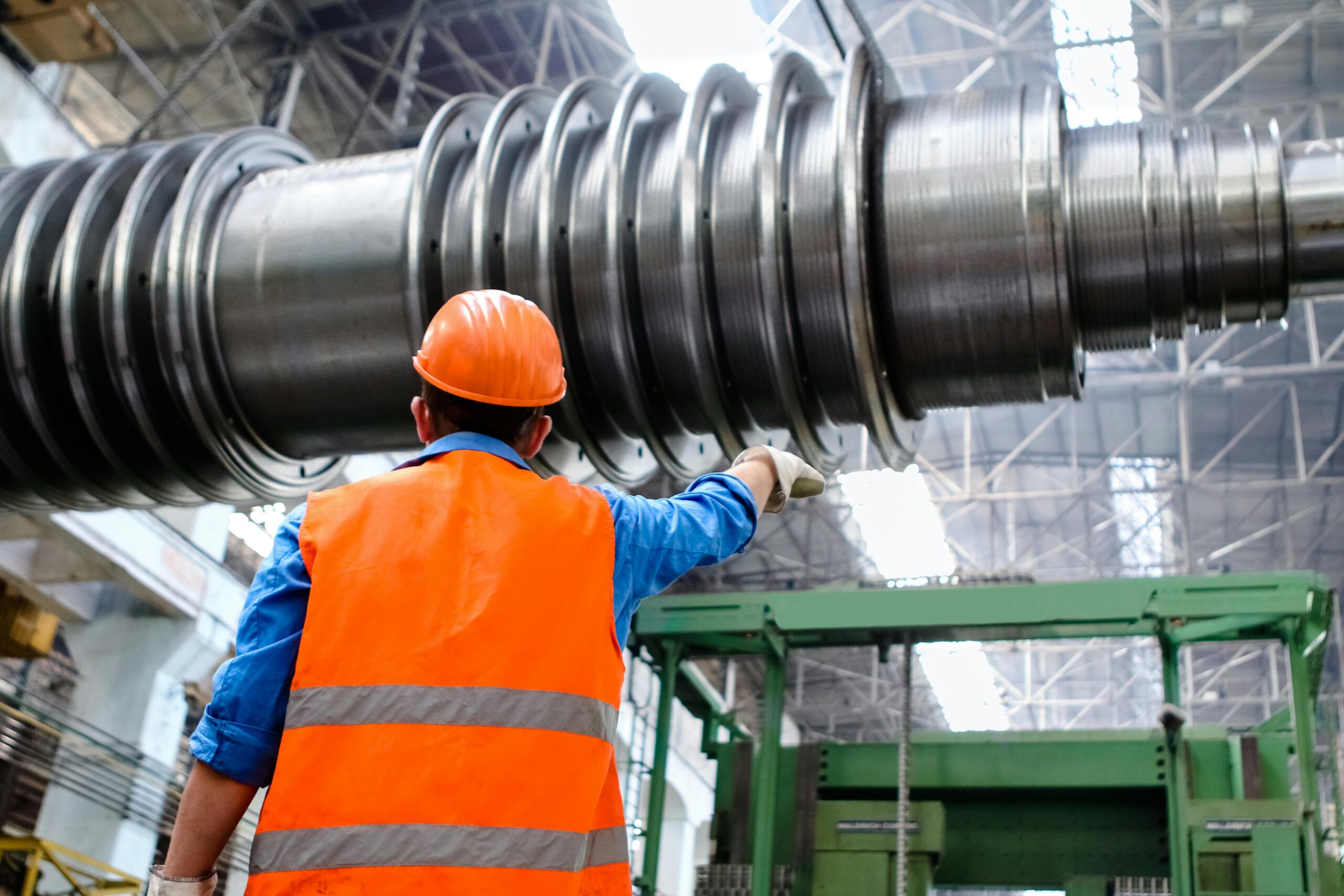
Property is the easy part of a manufacturing insurance program to buy and the easy part to get wrong. Almost every manufacturing insurance shortfall at claim time traces back to a number set once at inception and never revisited since.
Co-insurance is not a formality
Canadian property policies commonly apply eighty per cent co-insurance to actual cash value property, stock in trade and gross earnings business interruption; ninety per cent to buildings, contents and industrial equipment written at replacement cost; and one hundred per cent to a profits form. BrokerLink’s worked example is worth internalising — a building worth $1,000,000 at ninety per cent needs $900,000 of limit. Insure it for $600,000, suffer a $300,000 loss, and the policy pays $200,000. The remaining $100,000 is yours.
Replacement cost on machinery is a moving target
Actual cash value settles net of depreciation; replacement cost does not. On production machinery the harder question is what replacement actually means when components are custom-built or imported, specialist technicians have to be scheduled, and a modern line is assembled from thousands of interconnected parts. Northbridge makes the point plainly: sourcing is the constraint, not the cheque.
Stock is three different things
Raw material, work in progress and finished goods behave differently in a loss, and the value at risk moves with your production cycle and your season. A manufacturing insurance limit set from a year-end inventory figure will be wrong for most of the year — and it will be most wrong exactly when a seasonal processor is fullest.
Values should be reviewed annually, not at renewal
Treating the statement of values as a renewal formality is how a plant ends up carrying 2019 numbers on a 2026 policy. The Insurance Bureau of Canada put 2024 catastrophe losses at $8.5 billion, the costliest severe-weather year on record, and the 2016 to 2025 decade at $37 billion against $14 billion for the decade before. Rebuilding costs have not moved gently.
Business Interruption: The Largest Number on the Policy
For most manufacturers the building is replaceable and the earnings are not. Business interruption decides whether a fire is a bad year or the end of the business, and it is the part of a manufacturing insurance program most often written on the wrong form with the wrong values.
Gross earnings versus profits — when the money stops
Under a gross earnings form the indemnity period is restricted to the point at which repairs are completed. Under a profits form it extends until sales return to pre-loss levels. A plant physically rebuilt in five months may need another year to win displaced customers back and re-qualify with them. Gross earnings stops paying at month five; profits does not. The trade-off is co-insurance — profits forms commonly carry a one hundred per cent requirement.
How the loss is actually computed
Gross earnings is net sales and other earnings from operations, less the cost of merchandise sold including packaging, materials and supplies consumed directly. The calculation is the reduction in net sales multiplied by the rate of gross earnings, less savings in insured standing charges and non-continuing expenses. If your accounting cannot produce those figures quickly, the adjustment slows down and so does your cash.
Contingent business interruption is narrower than it sounds
CBI responds when a dependent property — a supplier, a processor, or a major customer — suffers a covered loss. Gallagher makes three points that matter: the trigger is a peril insured under your own policy, so flood or earthquake at a supplier may not qualify; the cover is usually sublimited well below your main business interruption limit; and it is more often written blanket than named.
Second-tier suppliers usually sit outside it
Policies typically respond to direct dependencies only. The sole-source moulder your contract manufacturer relies on is a second-tier supplier, and a loss there can stop your line without triggering anything at all. The fix is to identify those dependencies and schedule them specifically, at a higher limit than the blanket sublimit.
Transfer pricing can hide the real exposure
Where a plant sells into a related distribution entity at a transfer price built on manufacturing cost plus a thin margin, the plant’s own statements understate the group’s true earnings at risk. Forensic accountants MDD give a food-processing example where transfer pricing carried roughly a two per cent margin while about thirty per cent of gross profit was earned downstream. An interdependency extension is what closes that gap.
Extra expense and expediting expense are not the same thing
Extra expense funds continuity — the cost of keeping operations running somewhere, somehow. Expediting expense is narrower: the reasonable extra cost of temporary repair, replacement or acceleration, generally justified by a comparable or greater reduction in the income loss. On a manufacturing risk, expediting cover often sits in the equipment breakdown policy rather than the property form.
What Property Insurance Will Not Pay For
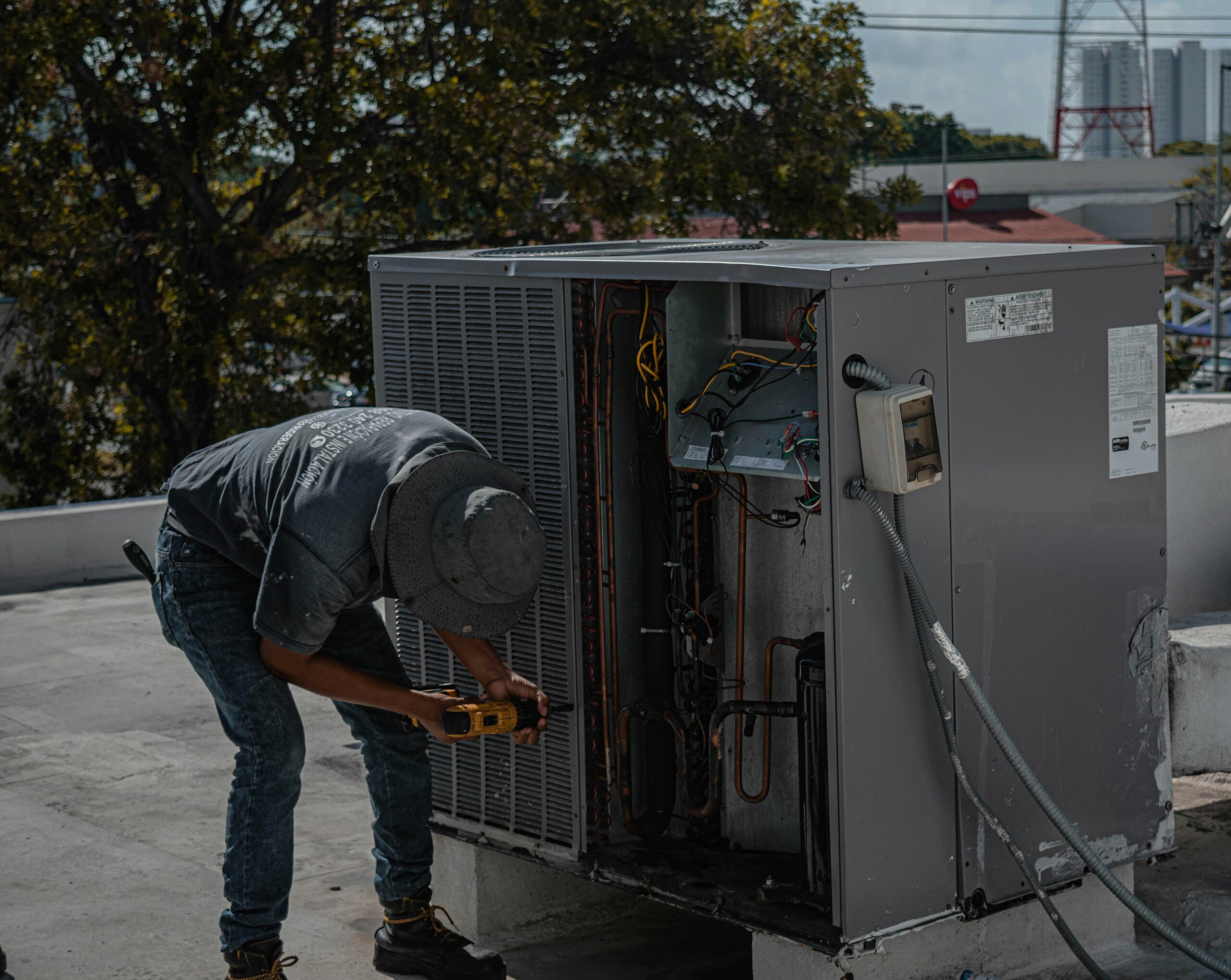
A commercial property policy is written around external perils — fire, water, wind, theft. It is not written around the machine failing on its own. That distinction is the entire reason equipment breakdown cover exists, and on a manufacturing insurance schedule it is not optional.
- Electrical arcing is excluded under most commercial property policies. The burnout of motors, generators, circuit breakers, distribution boards, cables and transformers from short circuits and line surges is not covered.
- Mechanical breakdown, and explosion of equipment due to centrifugal force, are excluded. The machine tearing itself apart is a breakdown loss, not a property loss.
- Combustion explosion is covered by the property form; steam and water-pressure explosion is not. Boilers generating steam, their connected piping and equipment, and vessels above 103 kilopascals of internal pressure fall outside it.
What the breakdown policy adds
Beyond the physical damage, a Canadian equipment breakdown form typically brings business interruption running until the equipment is repaired or replaced, extra expense, spoilage, expediting expenses, service interruption extending cover to a failure of electricity, water, gas, heating, cooling, telecom or steam, by-law coverage, hazardous-substance clean-up of contaminated property, professional fees and data restoration. Aviva writes manufacturer extensions including moulds, dies and patterns in the custody of others.
The provincial inspection regime is a live obligation
Boilers, pressure vessels, high-pressure piping and refrigeration plants are regulated here under the Technical Safety Act and the Boiler and Pressure Equipment Regulations. A Canadian Registration Number with provincial designation is required before regulated products are manufactured, fabricated or installed; a permit is required before any work, repair, alteration or installation; an equipment licence is required to operate; and pressure welders must be licensed and employed by a licensed contractor.
Product Liability and Recall Are Two Different Policies
This is the distinction most buyers get wrong. Products liability under the general liability policy is third-party cover — it defends and indemnifies you when your product injures someone or damages their property. Recall is first-party cover: it pays your own costs to get the product back. A complete manufacturing insurance program carries both.
What the liability policy does
The Canadian CGL carries a products and completed operations aggregate that is separate from the general aggregate, so product claims do not erode the limit protecting the rest of your operations. What it does not do is pay to withdraw the product from the market, and it does not respond to purely economic loss where nothing has been physically damaged.
What a recall policy does
Recall and contaminated products cover compensates your direct operational losses and recall management expense rather than defending third-party claims or paying injured parties. A Canadian form typically funds recall expenses, income lost while production stops, rehabilitation expenses to inspect and improve the facility, consultant and crisis-response costs, and extortion costs.
Accidental contamination and tampering are separate triggers
They are distinct insuring agreements, not a single grant. A recall policy commonly answers to three: accidental contamination, malicious product tampering, and product extortion. Assuming that buying one buys all three is a common and expensive mistake — check which of the three your policy actually carries.
Package extensions are not a recall programme
Canadian package policies offer limited add-ons — product recall expenses, and product rectification expenses for manufacturing specification failures. They are useful and they are not a substitute for a standalone limit. Note the commercial reality too: most retailers, distributors and exporters will want proof of manufacturing insurance before they will trade with you at all.
Food Safety, Traceability and the Recall Clock
Food and beverage is roughly thirty per cent of manufacturing employment in this province, and seafood processing is a large part of that. For those plants the regulatory obligations arrive before the manufacturing insurance does, and they run to a clock.
- A Safe Food for Canadians licence is required to import, manufacture, process, treat or package food for export or interprovincial trade. The listed activities expressly include canning, cooking, cutting, deboning, filleting, freezing, pasteurizing, shucking, smoking and thawing.
- No federal licence is required where manufacturing or processing happens wholly within one province, or where food is sold directly to consumers at retail — though provincial requirements still apply.
- Licence holders must maintain a written Preventive Control Plan showing how hazards are controlled, plus evidence that the controls actually work. There are no volume-based exemptions; the requirements apply regardless of production scale.
- Traceability runs one step forward to the immediate customer and one step back to the immediate supplier, identifying the food by common name and lot code or unique identifier.
- On a CFIA request those records must be produced in English or French within twenty-four hours — or sooner where a recall is urgent.
- The Safe Food for Canadians Regulations require a documented recall procedure, and the CFIA process runs to twelve steps from standing up a recall team through to the post-recall review.
- CFIA recorded 185 recall incidents in 2025-26. Fifty-seven of them — close to a third — were allergen incidents rather than pathogens, which makes labelling and cross-contact a packaging-line exposure as much as a food-safety one.
- For non-food consumer products, the Canada Consumer Product Safety Act requires incident information within two days of becoming aware and a written report within ten. A recall in another jurisdiction counts as an incident, and Health Canada can order a recall outright.
Selling Into the United States
In a market where nearly every line is falling, US sales are the one thing that will still move a Canadian manufacturer’s liability renewal the wrong way — and the single biggest variable in manufacturing insurance pricing today.
The market is soft everywhere except here
Marsh’s index put Canadian commercial rates down seven per cent overall in the second quarter of 2026, with property down eight, casualty down four and cyber down six. US-exposed risks were the stated exception, facing tighter capacity, higher attachment points and selective single- or double-digit rate increases while everything else fell.
Your buyer, not the law, imposes the requirement
BDC is direct about it: product liability insurance is not legally mandated for exporters to the United States, but American buyers may refuse to purchase unless you carry it, because it protects them if your product is alleged to be faulty. BDC also notes the coverage can be expensive and difficult to obtain.
Price the cover before you price the contract
BDC’s advice is to consult legal and insurance professionals experienced in international trade before setting final export prices. That is the right sequence. A liability programme repriced after the contract is signed comes straight out of the margin on every unit you ship.
Exposures That Sit Outside the Package Policy
Six things a standard manufacturing insurance package will not answer. Each one is separately placeable, sits outside the core manufacturing insurance package, and each has caught plants in this province.
Economic loss with no physical damage
Chubb states the gap cleanly: a traditional general liability policy is generally not built to respond to claims alleging financial or economic injury from defects, deficiencies, inadequacies and dangerous conditions in products and services, absent physical damage. A monitoring system that records temperatures inaccurately; a labelling failure that forces a retailer to pull stock — real losses, no property damage. Manufacturers errors and omissions is the answer, and Gallagher Canada cites a manufacturing client where E&O responded to a $1.3 million claim.
Ransomware on the plant floor
The Canadian Centre for Cyber Security calls ransomware the top cybercrime threat facing Canada’s critical infrastructure and names manufacturing specifically — Akira has been used against manufacturing in Canada. The method is unglamorous: internet-accessible devices, insecure remote access software, default passwords. Canadian ransomware incidents rose an average twenty-six per cent a year from 2021 to 2024.
Which cyber law actually applies to you
Bill C-8, the Critical Cyber Systems Protection Act, received royal assent in June 2026 — but it applies to six federally regulated sectors: telecom, interprovincial pipelines and power, nuclear, federal transportation, banking, and clearing and settlement. Manufacturing is not one of them. Your live obligation on a breach is PIPEDA’s real-risk-of-significant-harm assessment and notification as soon as feasible, not a seventy-two-hour report to CSE.
Pollution is excluded from the liability policy
Environmental liability sits above the standard CGL and property policies, which usually exclude environmental damage outright. Pollution liability responds to third-party bodily injury, property damage and environmental damage, whether the release is sudden, accidental or gradual. Northbridge’s example is plant-scale: internal corrosion caused a 2,000-litre fuel tank to leak 200 litres, requiring remediation of 250 tons of soil.
Storage tanks are registered and regulated here
Under the provincial Petroleum Management Regulations, all underground petroleum storage tanks are regulated regardless of size, as are aboveground tanks of 4,000 litres nominal capacity or greater. Owners must register with Nova Scotia Environment, use a certified installer, and maintain ongoing monitoring — typically regular inventory checks — to catch changes in the system’s integrity before there is an environmental impact.
Stock you do not control
A stock throughput policy combines ocean cargo, inland transit and storage into a single contract covering raw materials, work in progress and finished goods — in transit, undergoing process, or stored at owned or third-party premises. Standard property cover typically stops at inventory you control, which leaves the contract manufacturer and the public warehouse exposed. Structured well, it can also recover the revenue the inventory would have generated rather than only its cost.
Workers’ Compensation and the Machines
Two of the three most controllable costs in a manufacturing insurance program are decided on the plant floor rather than at renewal.
Registration, and what counts as your industry
Registration is mandatory in a mandatory industry once you reach three workers, within ten days of hiring the third. Manufacturing sits squarely inside the list — fish curing and packing and the canning of lobster and other shellfish, boiler making and machine shops, aircraft manufacturing and assembling, automobile assembly, sawmills and shingle mills, wooden articles and furniture. Any industry closely related to a listed one must also register: what you actually do governs, not the label on the list.
Experience rating is a ninety-point swing
Assessment rates are adjusted by comparing your cost ratio against the average for your rate group, using injury costs from the most recent three full calendar years and weighting recent claims more heavily. Small employers move between minus ten and plus twenty per cent. Large employers move between minus thirty and plus sixty. That range makes return-to-work and claims management a cost-of-capital question rather than an HR one.
Guarding and lock-out are prescribed — and PPE is not a safeguard
Where a person may come into contact with a moving part that presents a hazard, an adequate safeguard must be installed. The regulations define safeguards as guards, shields, guardrails, fences, gates, barriers, safety nets and wire mesh, and expressly exclude personal protective equipment. Work on energised machinery requires written lock-out procedures, a verified zero energy state, locks and tags at each lock-out location, and a competent person to confirm it.
Frequently Asked Questions About Manufacturing Insurance
What does manufacturing insurance cost?
It is rated on your building and machinery values, stock, sales, what you make, where you sell it, your claims record and your loss-control standard. Two plants with identical revenue carry very different manufacturing insurance costs if one exports to the United States and one does not. The more useful early question is whether your declared values are right, because that decides both the premium and what you actually collect.
What is the difference between gross earnings and profits business interruption?
When the money stops. Gross earnings runs to the completion of repairs. A profits form runs until sales return to pre-loss levels, which on a manufacturing risk can be a year or more after the plant is physically fixed. The trade-off is co-insurance — profits forms commonly carry a one hundred per cent requirement, which is unforgiving of under-declared values.
Does my property policy cover a machine that breaks down on its own?
Generally not — and it is one of the most common manufacturing insurance misunderstandings. Property responds to external perils. Electrical arcing, mechanical breakdown, explosion from centrifugal force, and steam or water-pressure explosion are excluded from most commercial property forms. That gap is precisely what equipment breakdown insurance exists to fill, and it belongs on every manufacturing insurance schedule.
Do I need product recall insurance if I already have product liability?
They do different jobs. Products liability is third-party — it answers when your product injures someone or damages their property. Recall is first-party — it pays your cost to withdraw the product, the income lost while production stops, and the consultants who manage the event. Neither one covers the other, and a complete manufacturing insurance program carries both.
Does a recall policy cover deliberate tampering?
Only if that trigger was bought. Accidental contamination, malicious product tampering and product extortion are separate insuring agreements within a recall policy. Check which of the three yours actually carries rather than assuming the word “recall” covers all of them.
Do I need a federal food licence?
If you import, manufacture, process, treat or package food for export or interprovincial trade, yes. If you manufacture and sell wholly within one province, or sell directly to consumers at retail, a Safe Food for Canadians licence is not required — though provincial requirements still apply.
How fast do I have to produce traceability records?
Within twenty-four hours of a CFIA request, in English or French, and sooner where a recall is urgent. The records must identify the food by common name and lot code, and link one step forward to your immediate customer and one step back to your immediate supplier.
What changes when I start selling into the United States?
Your liability programme, and with it the cost of your manufacturing insurance. Even in a soft Canadian market, US-exposed risks are seeing tighter capacity, higher attachment points and rate increases. Carrying product liability is not a legal condition of exporting, but American buyers routinely make it a condition of purchase — so price the cover before you price the contract, not after.
Is cyber insurance really a manufacturing exposure?
Ransomware is the top cybercrime threat to Canadian critical infrastructure, and manufacturing is named specifically in the federal threat assessment. The route in is rarely sophisticated — internet-facing devices, remote access software and default passwords. A production line stopped for a week is an income loss your property policy will not touch, because nothing was physically damaged.
Does Bill C-8 apply to my plant?
Almost certainly not. The Critical Cyber Systems Protection Act covers six federally regulated sectors and manufacturing is not among them. Your live obligation is under PIPEDA — assess whether a breach creates a real risk of significant harm, then notify the Privacy Commissioner and affected individuals as soon as feasible.
What does co-insurance actually do to a claim?
It scales the payment down by the ratio of what you insured to what you should have insured. On a ninety per cent requirement, a building worth a million needs nine hundred thousand of limit. Insure it for six hundred thousand and a three hundred thousand dollar loss pays two hundred thousand — the shortfall is not a deductible, it is a penalty for under-insurance.
Should I insure stock sitting at a third-party warehouse?
Standard property cover generally stops at inventory you control. If you use contract manufacturers, public warehouses or third-party logistics providers, or you import and export, a stock throughput policy puts transit and storage under one contract — and can be structured to recover the revenue that inventory would have generated rather than only its cost.
Related Coverages and Business Services
The pages below go deeper on the individual manufacturing insurance policies referenced above.
For the other sectors we write, and how a sector program is built, see insurance by industry.
Schedule a Consultation Today
Bring us your statement of values and your last business interruption worksheet. Most manufacturing insurance problems are visible in those two documents long before they turn into a claim — and that is the cheapest moment to fix them.