
Pollution & Environmental Insurance
Pollution insurance, also written as environmental impairment liability or EIL insurance, responds to the clean-up costs, third-party claims, regulatory orders and business interruption that follow a release of contaminants into soil, groundwater, surface water or air. In Canada most commercial general liability policies carry a broad pollution exclusion, which means the single loss most capable of ending a contracting business is often the one loss left uninsured.
Stanhope Simpson places contractors pollution liability, premises and site pollution liability, storage tank liability and transportation pollution liability for Canadian contractors, developers and property owners, structuring limits, retroactive dates and reporting terms around the contracts you actually sign.
Why It Matters
Where Your CGL Stops
Nearly every Canadian commercial general liability form contains a pollution exclusion that removes bodily injury, property damage and clean-up arising from the discharge, dispersal, seepage, migration, release or escape of pollutants. Some markets add back a narrow time-element extension for sudden and accidental events, but that add-back is usually capped by a low sub-limit and by strict discovery and reporting windows measured in hours, not months.
Standalone pollution liability is purpose-built for the exposure. It covers gradual as well as sudden conditions, funds first-party clean-up of your own site, pays emergency response before liability is established, and satisfies the insurance requirements that owners, municipalities, lenders and CCDC-based contracts now impose on Canadian contractors.
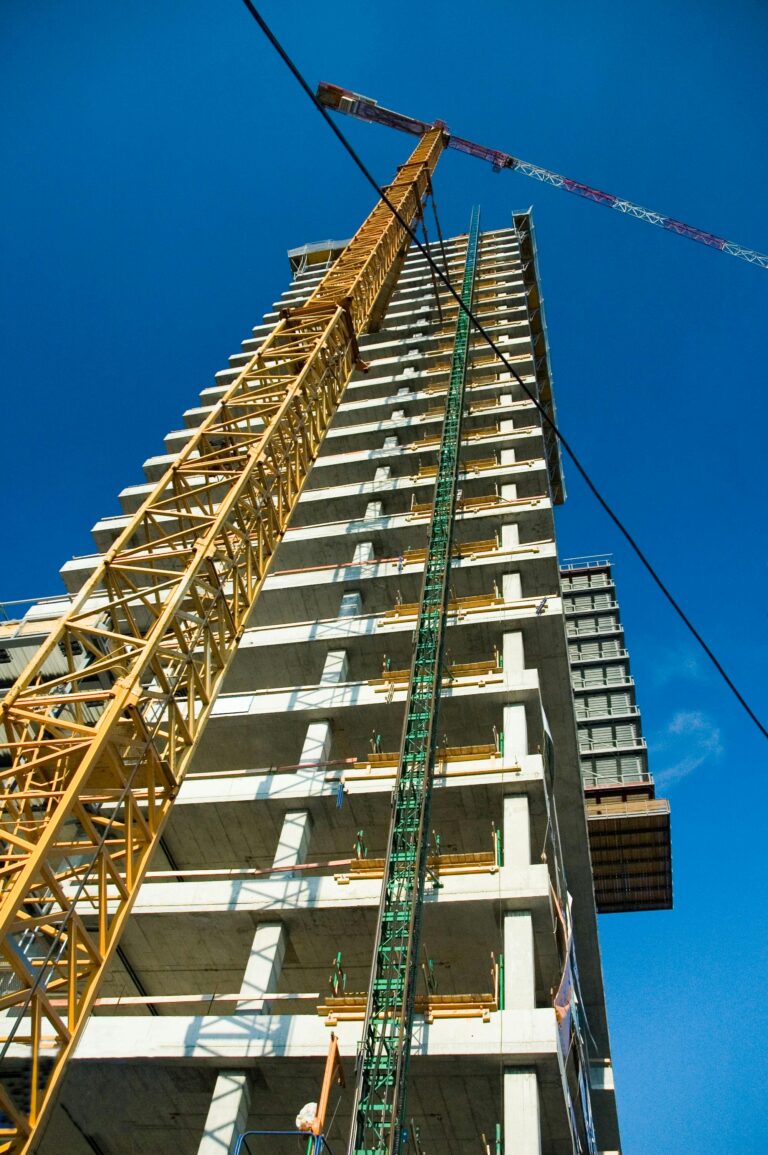
The Coverage Gap
What a Standard CGL Leaves Behind
- Broad pollution exclusion on most Canadian CGL forms
- Add-backs limited to sudden and accidental releases
- Discovery and reporting windows as short as 72 hours
- Low sub-limits that sit inside the general aggregate
- No first-party clean-up of land you own or lease
- No response to gradual seepage or historical contamination
- No cover for statutory clean-up orders or civil penalties
- Silt, sediment, dust and fuel migration routinely disputed
- Mould, legionella and indoor air quality excluded outright
- Owner and lender contracts increasingly demand standalone limits
Coverage for Your Operations
Contractors Pollution Liability
Contractors pollution liability, or CPL, responds to pollution conditions arising out of covered operations performed by you or by others on your behalf at a work site. It is the core environmental coverage for general contractors, trades and construction managers, and it follows the work rather than a fixed address, so it responds on site, off site, in transit and after the job is complete.
CPL funds emergency response and mitigation the moment a condition is discovered, pays clean-up costs for environmental damage, and defends and indemnifies third-party claims for bodily injury and property damage. It is written on either an occurrence or a claims-made-and-reported basis, as an annual practice policy or as a project-specific policy running the length of a build plus a completed-operations extension.
Contractors Pollution Liability
Coverage Highlights
- Third-party bodily injury and property damage
- On-site and off-site clean-up of environmental damage
- Emergency response and mitigation costs
- Sudden and gradual pollution conditions
- Work performed by subcontractors on your behalf
- Completed operations and post-construction tail cover
- Defence costs, plus civil fines and penalties where insurable
- Abatement work involving asbestos, lead, silica and mould
- Additional insured status for owners, lenders and general contractors
- Annual practice, project-specific and multi-year terms

Owned, Leased and Scheduled Locations
Premises Pollution Liability
Premises pollution liability, also sold as site pollution liability or pollution legal liability, attaches to scheduled locations rather than to operations: yards, shops, laydown areas, fuel islands, aggregate pits, waste transfer facilities, warehouses and offices. It is the only place most contractors will find genuine first-party coverage for contamination on land they own or lease.
The form carries two distinct triggers. First-party coverage pays your own clean-up, emergency response and business interruption when an environmental impairment is discovered at a scheduled location. Third-party coverage answers claims brought against you for contamination on, under or migrating from that location, including bodily injury, property damage and off-site remediation.
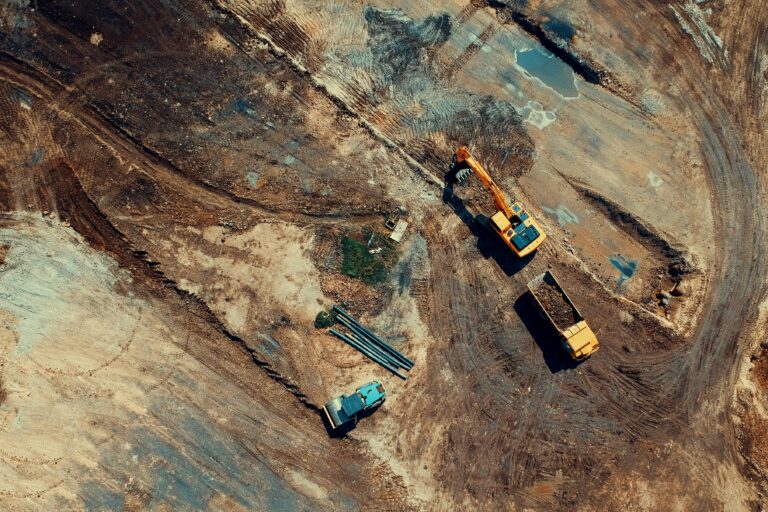
Premises and Site Pollution
Coverage Highlights
- First-party clean-up at scheduled locations
- Third-party claims for on-site and migrating contamination
- Business interruption and extra expense
- New conditions, and pre-existing conditions subject to underwriting
- Natural resource damage
- Emergency response and crisis management costs
- Mould, legionella and indoor air quality extensions
- Non-owned locations and non-owned disposal sites
- Landlord, lender and property transfer requirements
- Multi-year terms to support acquisitions and divestitures
Above Ground and Underground Tanks
Storage Tank Pollution Liability
Fuel storage is one of the most heavily regulated exposures a Canadian contractor carries. Aboveground tanks at a shop or laydown yard, slip tanks and mobile fuelling units, and legacy underground tanks discovered on an acquired property all create a release exposure that a CGL will not answer and that provincial regulators will pursue.
Storage tank pollution liability covers on-site and off-site clean-up of a confirmed release from a tank system, including piping, dispensers, fill points and containment, together with third-party bodily injury and property damage. Coverage is usually triggered on discovery of a confirmed release rather than on a third-party demand, and is written for scheduled tanks, with unscheduled aboveground tanks often added back by endorsement.
Storage Tank Liability
Coverage Highlights
- On-site and off-site clean-up of confirmed releases
- Aboveground (AST) and underground (UST) tank systems
- Piping, dispensers, fill points, pumps and containment
- Third-party bodily injury and property damage
- Scheduled tanks, with unscheduled ASTs added by endorsement
- Discovery trigger on confirmation of a release
- Support for provincial financial responsibility requirements
- Civil fines and penalties where insurable
- Fleet yards, bulk plants, marinas and municipal depots
- Tank installation, retrofit and decommissioning operations
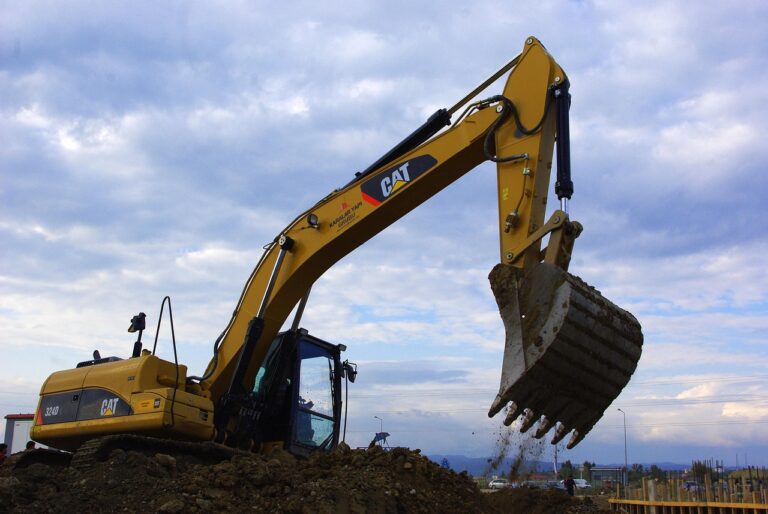
Loading, Hauling and Unloading
Transportation Pollution Liability
Automobile policies exclude most pollution, and marine, aviation and railroad protective forms do the same. That leaves a real gap every time material moves: fuel and lubricants delivered to a remote work site, contaminated soil hauled off a brownfield, dewatering discharge trucked to a treatment facility, or drummed waste taken to a non-owned disposal site.
Transportation pollution liability covers clean-up costs, emergency response and third-party claims arising from a release that occurs during transit to or from a scheduled location or a work site, including loading and unloading. It is normally written as difference-in-conditions and excess of your automobile, marine, aviation or railroad protective coverage, responding where those forms specifically exclude pollution.

Transportation Pollution
Coverage Highlights
- Releases during loading, hauling and unloading
- Inbound materials and outbound waste streams
- Your own units and third-party carriers acting for you
- Clean-up costs and emergency response
- Third-party bodily injury and property damage
- Difference-in-conditions and excess of automobile and marine forms
- Waste delivered to non-owned disposal sites
- Roadway, ditch, culvert and watercourse impacts
- Contaminated soil and dewatering discharge hauling
- Fuel and lubricant deliveries to remote sites
How the Money Flows
First-Party Costs and Third-Party Claims
Every pollution policy divides the loss in two. First-party coverage reimburses what you spend. Third-party coverage pays what you owe somebody else. A properly built environmental program addresses both, because one release almost always produces both.
First-Party Coverage
Costs you incur directly. Usually triggered by discovery of the condition rather than by a claim against you.
- Clean-up of environmental damage on your own site
- Emergency response before liability is established
- Business interruption and extra expense
- Crisis management and communications costs
- Consultant, engineering and laboratory fees
- Restoration of property disturbed by remediation
Third-Party Coverage
Amounts you become legally obligated to pay to others, plus the cost of defending the allegation.
- Bodily injury to neighbours, occupants and other workers
- Property damage and loss of use claims
- Off-site clean-up of migrating contamination
- Natural resource damage
- Legal defence and claim expenses
- Statutory clean-up orders and civil penalties where insurable
Beyond the Core Four
Other Pollution Coverages to Consider
Environmental programs are modular. Depending on your operations, your contracts and your property portfolio, some or all of the following belong in the placement.
Non-Owned Disposal Site Liability
You retain liability for waste after it leaves your site. This extension responds to claims arising from a landfill, transfer station or treatment facility you sent material to, even though you never owned or operated it.
Products Pollution Liability
Covers pollution conditions caused by a product you manufactured, sold, handled or distributed once it has left your control, including fuels, coatings, adhesives, sealants and chemicals.
Mould, Legionella and Indoor Air Quality
Remediation and bodily injury arising from microbial matter, cooling tower legionella or indoor air contamination, an exposure excluded almost universally under a CGL.
Environmental Professional Liability
Errors and omissions cover for design, assessment, monitoring and remedial recommendations, often combined with CPL so one event is not disputed between two insurers.
Remediation Cost Cap
Stop-loss protection over a known remediation budget, used on brownfield redevelopment where the real risk is that clean-up runs materially over estimate.
Natural Resource Damage
Assessment and restoration of fish habitat, wetlands, groundwater and other public resources, the exposure behind federal Fisheries Act prosecutions.
Illicit Abandonment
Responds when a third party dumps waste on your property or work site, including drums, contaminated fill and abandoned tanks.
Business Interruption and Extra Expense
Lost income and the added cost of continuing to operate while a site is shut down or restricted for remediation.
Civil Fines, Penalties and Crisis Management
Defence of regulatory proceedings, fines and administrative monetary penalties where insurable by law, and the communications costs of managing a public incident.
Read the Fine Print
How a Pollution Policy Actually Works
Environmental forms behave differently from the occurrence-based policies most contractors are used to. These are the mechanics that decide whether a claim is paid.
Claims-made and reported vs. occurrence
Most environmental forms are claims-made and reported: the claim must first be made against you during the policy period and reported to the insurer, usually as soon as practicable, within that same period or an extended reporting period. Occurrence forms are available on some contractors pollution liability products and respond to events happening during the term regardless of when the claim arrives. The difference decides whether letting a policy lapse leaves you exposed for past work.
Retroactive date
On a claims-made form the pollution condition must first commence on or after the retroactive date. A retroactive date matching the inception of your first pollution policy preserves years of prior operations; a date quietly reset at renewal deletes them. Continuity of retroactive date is the single most valuable thing to protect when moving markets.
Discovery trigger and the duty to report
First-party clean-up coverages are usually triggered by discovery of the condition, not by a demand from anyone else. That places a duty on you to report as soon as practicable upon earliest detection. Late notice is a leading cause of denied environmental claims, and the emergency response coverage that pays for the first 48 to 72 hours is normally conditional on it.
Extended reporting periods
Automatic tails of 30 to 90 days are common, with optional purchased extensions of one to five years or longer. On project-specific placements the completed-operations tail should be matched to the limitation period in the governing province and to the warranty obligations written into your contract.
Limits, sub-limits and aggregates
Environmental limits are stated per pollution condition or per incident and in the aggregate. Capacity in the Canadian market is commonly available from $1,000,000 up to $25,000,000. Watch for sub-limits on mould, natural resource damage, civil fines, crisis management and business interruption, and confirm whether defence costs erode the limit or sit outside it.
Deductibles and self-insured retentions
Minimum deductibles typically start around $5,000 and scale with the exposure. Some forms apply a separate, higher retention to mould or to pre-existing conditions, and business interruption is often subject to a waiting period rather than a dollar deductible.
Scheduled locations, work sites and covered operations
Coverage is bounded by definitions. A premises form responds only at scheduled locations. A contractors form responds only at a work site and only for a covered operation. If your schedule of locations or your description of operations is out of date, the policy narrows without anyone telling you.
Contractual insurance requirements
Owners, municipalities, lenders and CCDC-based contracts increasingly specify pollution liability limits, additional insured status, a waiver of subrogation, primary and non-contributory wording and a defined completed-operations period. Reviewing those clauses before you bid avoids discovering after award that the form you carry does not qualify.
Who We Insure
Canadian Contractors and Owners Who Need Pollution Cover
If your work disturbs soil, moves water, stores fuel, demolishes, restores or hauls, you carry a pollution exposure whether or not your contract names it.
Site and Civil
- Excavation, earthworks and shoring
- Sewer, water main and utility installation
- Road building, paving and bridge work
- Demolition and deconstruction
- Drilling, piling and foundations
- Aggregate pits and quarries
Building and Trades
- General contractors and construction managers
- Mechanical, plumbing and HVAC
- Electrical and instrumentation
- Roofing, cladding and waterproofing
- Painting, coatings and sandblasting
- Landscaping and site restoration
Specialty and Environmental
- Asbestos, lead and mould abatement
- Fire, flood and disaster restoration
- Tank installation, testing and removal
- Environmental consultants and engineers
- Waste hauling and vacuum truck services
- Marine, dredging and shoreline work
What a Loss Looks Like
Pollution Claim Scenarios
Three losses that are routine in Canadian construction, and the policy that answers each of them.
The Severed Line
An excavation crew clips an unmarked oil line serving an adjacent building. Product enters the trench, follows the bedding material and reaches a storm sewer discharging to a watercourse. Emergency response, vacuum trucks, contaminated soil disposal, groundwater monitoring and a downstream property claim follow. The CGL denies on the pollution exclusion. Contractors pollution liability responds.
The Yard Tank
A contractor buys a shop with a twenty-year-old aboveground fuel tank. Two years later an environmental site assessment ordered during refinancing finds hydrocarbons in soil beneath the containment pad. There is no lawsuit and no third-party claim, only a lender demanding remediation. Only a first-party premises or storage tank form pays.
The Load That Shifted
Drums of solvent-contaminated waste being hauled from a site to a licensed facility break open when a trailer rolls on a rural highway. Cleanup of the ditch and shoulder, road closure costs and a claim from the adjacent farm follow. The automobile policy excludes pollution. Transportation pollution liability responds on a difference-in-conditions and excess basis.
Common Questions
Pollution Insurance FAQ
Is pollution insurance the same as environmental impairment liability insurance?
Yes. Environmental impairment liability, or EIL, is the umbrella term for policies covering pollution conditions. In the Canadian market the same protection is sold as pollution liability, environmental liability, contractors pollution liability, premises pollution liability, site pollution liability and pollution legal liability. The label matters far less than the insuring agreement, the definitions and the schedule attached to it.
Does my commercial general liability policy already cover pollution?
Almost certainly not in any meaningful way. Canadian CGL forms carry a pollution exclusion. Where a limited add-back exists it usually applies only to sudden and accidental releases, carries a sub-limit well below your CGL limit, and imposes discovery and reporting deadlines measured in hours. Gradual conditions, first-party clean-up of your own land and regulatory clean-up orders remain excluded.
How much pollution liability do Canadian contractors typically buy?
Limits of $1,000,000 to $5,000,000 are common for small and mid-size trades, with $5,000,000 increasingly treated as the baseline on public, institutional and CCDC-based work. Capacity of $10,000,000 to $25,000,000 is available for larger civil, infrastructure and environmental contractors. The right number is usually driven by the contracts you sign rather than by your revenue.
What does pollution insurance cost in Canada?
Premium is driven by operations, revenue, work locations, how much you subcontract, claims history, and the limit and retention selected. Small trades with incidental exposure often sit at a minimum premium in the low thousands. Excavation, demolition, abatement, environmental and tank contractors price materially higher. Project-specific placements are rated on contract value and duration rather than annual revenue.
Do I need it if I subcontract all of the dirty work?
Yes. Liability for a release generally follows the party in control of the site, and contractors pollution liability forms are written to respond to work performed on your behalf. Requiring subcontractors to carry their own limits and to name you as additional insured is good practice, but it is not a substitute for carrying your own policy.
Can coverage be arranged for contamination that already exists?
Sometimes. Pre-existing and known conditions can be underwritten on premises and site pollution forms, normally supported by a Phase I or Phase II environmental site assessment and subject to a higher retention and specific terms. Coverage for known conditions is negotiated, never automatic.
What is a retroactive date and why does it matter so much?
On a claims-made policy the pollution condition must first commence on or after the retroactive date. If a new insurer sets that date at the current inception, everything you did before it is uninsured even though you were insured at the time. Maintaining the original retroactive date through renewals and market changes protects years of completed work.
What should I do in the first hour of a spill?
Make the area safe, stop the source if it can be done safely, and contain the release. Report to the applicable provincial spill line, and to Environment and Climate Change Canada where the release affects fish-bearing water or is otherwise federally reportable. Then notify your broker immediately. Most environmental policies pay emergency response costs incurred within a defined window after discovery, so early notice protects the claim as well as the site.
Schedule a Consultation Today
Personalized insurance and surety solutions backed by decades of industry expertise.
Reach out to us today and experience the Stanhope difference!