
Home Insurance
Home insurance protects the building, everything in it, the people you are responsible to, and the cost of living somewhere else while it is put right. What separates one policy from another is rarely the price on the front page — it is the form it is written on, the endorsements attached to it, and whether the sum insured still reflects what your home would cost to rebuild today.
What Home Insurance Covers
A home insurance policy is five coverages bundled into one contract. Knowing which part answers which kind of loss is the difference between a claim that goes smoothly and one that turns into an argument.
- The dwelling — the structure, its systems and anything built in, insured for what it would cost to rebuild rather than what it would sell for.
- Detached private structures — the garage, shed, fence, deck and driveway, usually at a percentage of the dwelling limit.
- Personal property — everything you would take with you if you moved, covered at home and, within limits, worldwide.
- Personal liability — injury or damage you cause to someone else, on or off your property, with defence costs. Two million is the working baseline in Canada.
- Additional living expenses — the extra cost of living elsewhere while your home is repaired — accommodation, food and fuel above what you normally spend.

Comprehensive, Broad or Basic: Which Form Are You On?
Canada uses four levels of home coverage, and the label on your policy decides how a claim is assessed. Most people have never been told which one they hold.
Comprehensive
All-risk on both the building and its contents, subject to the policy’s exclusions. The broadest form written in Canada, and where most standard-risk homes sit. If a loss is sudden and accidental and nothing excludes it, it is covered.
Broad
All-risk on the building, named perils on the contents — the strongest protection where the money is, at a lower premium on belongings.
Basic, or Named Perils
Covers only the perils listed: fire, lightning, explosion, smoke, theft, vandalism, impact, falling objects, windstorm and hail, and sudden water escape among them. If the cause of loss is not on the list — or cannot be established — there is no coverage.
No Frills
Not a budget policy. It is a form for homes that do not currently meet standard underwriting requirements, and it is usually a stepping stone: fix the roof, wiring or tank and the home qualifies for something better.
Water Is the Claim You Are Most Likely to Have
Water is now the largest single category of property claims in Canada, and the most misunderstood — because it is not one coverage. It is four or five, sold separately, with different triggers and different deductibles.
Sudden and accidental water escape
A burst supply line, a failed washing machine hose, an overflowing tank. Included on a comprehensive form. The dividing line is sudden — water that has been weeping behind drywall for months is caught by the gradual seepage exclusion.
Sewer backup
An endorsement, not a standard inclusion. Responds when water or sewage backs up through a sewer, drain, sump or septic system. It does not repair the line itself, and where an address has loss history a backwater valve may be required.
Overland water
A second endorsement, available since 2015 and now offered by more than thirty insurers. It responds to fresh water arriving at ground level — heavy rain, spring melt, an overflowing river or lake. Eligibility is scored against flood mapping, so some high-risk addresses still cannot buy it.
Ground water is a third trigger
Water that rises through the water table and pushes up through a basement slab is neither sewer backup nor overland water. Some insurers extend to it; many still exclude it. Having “flood coverage” does not settle the question — the wording does.
Storm surge and salt water
This is the Atlantic gap. Coastal flooding, tidal water and storm surge are generally excluded, and most overland water endorsements do not pick them up. Some wordings go further and exclude the loss where surge contributed at all. Worth knowing before a storm, not after.
Service line coverage
Covers the buried water, sewer, electrical and communication lines you own between the street and the house, including failure from wear, corrosion and tree roots — which every other part of the policy excludes. Commonly written at $10,000 or $25,000, and easy to overlook on older lots.
Replacement Cost, Guaranteed Replacement Cost and the Roof
Two policies with the same limit can settle very differently. The valuation basis, and whether its conditions were met, is what decides it.
- Replacement cost rebuilds or replaces with like kind and quality, without deducting for depreciation. Actual cash value deducts it. Many Canadian wordings also carry a middle basis that limits depreciation to a set share of the value.
- Replacement cost is conditional. On the building it generally requires you to rebuild on the same site. On contents it usually requires you to actually replace the item within a set period — insurers advance the depreciated amount and release the balance on proof.
- Guaranteed replacement cost pays past the limit — but only if you insure to 100 per cent of the insurer’s own estimate, report renovations that increase the value, accept the annual inflation adjustment, and rebuild on the same site. Miss one and the guarantee can fall away.
- A worn roof changes the settlement, not just the premium. Where a roof is past its useful life, weather damage to it is commonly settled on an actual cash value basis even under a replacement cost policy.
- Rebuild cost is not market value. In rural Nova Scotia it often costs more to rebuild a house than to buy one; in peninsular Halifax the land carries the price.
- There is no coinsurance penalty on Canadian personal home policies the way there is on commercial property. The discipline sits in the guaranteed replacement cost conditions instead.
Where the sub-limits bite
Policies cap certain categories: jewellery and watches commonly in the low thousands, fine art and collectibles similar, bicycles lower again, cash lower still. In most Canadian wordings those caps apply to theft rather than fire — but anything worth more than the cap should be scheduled.
Ask for the number, not the reassurance
“You’re on replacement cost” is not an answer. Ask what the insurer’s rebuild estimate is, when it was last updated, and what happens if the real cost comes in above it.
What a Standard Policy Does Not Cover
Every home policy is defined as much by its exclusions as its coverages. Some can be bought back, some cannot, and one of them is not the exclusion most people think it is.
Wear, tear and anything gradual
Deterioration, rust, rot, gradual seepage, settling and cracking, faulty workmanship and mechanical breakdown are excluded. Insurance answers sudden and accidental events; maintenance is the owner’s job, and that line decides a great many claims.
Freezing while you are away — conditionally
This one is routinely misstated. Damage from frozen plumbing in a heated part of the house is typically covered if you either shut the water off and drained the system, or maintained heat during any absence of about a week or more. Leave for two weeks in February with the heat off and you have handed the insurer the exclusion.
Vacancy
Once a home is vacant beyond roughly thirty consecutive days, coverage narrows sharply and water damage generally falls away. A property between owners, an estate, a long stay south or a house emptied for renovation all need to be declared and endorsed.
Earth movement and earthquake
Landslide, subsidence and earthquake are excluded. Earthquake can be bought back, and it carries a percentage deductible calculated on the insured value rather than a flat dollar amount.
Vermin, insects and mould
Damage caused by rodents, raccoons, bats and insects is excluded, as is mould. Mould arising from a covered sudden water loss is treated differently from mould that grew because a leak went unaddressed.
Business, rental and illegal use
A home-based business, a short-term rental or a unit rented out changes the exposure and usually needs its own endorsement. Illegal activity and cannabis cultivation for sale are excluded outright.
Insuring an Older Nova Scotia Home
Halifax, Dartmouth and the towns around them are full of houses built long before the standards insurers now underwrite to. None of this makes a home uninsurable — but the answer turns on details a listing will not tell you, and they are worth confirming before financing conditions come off.
- Oil tanks. The binding limit is set by each insurer rather than the province, and outdoor steel tanks are given materially less life than indoor or double-wall fibreglass ones. Expect to supply the age, serial number and photographs of the tank and its line.
- A leaking tank is an environmental claim, not a property claim. A release over 100 litres must be reported to the Department of Environment, a qualified site professional manages the cleanup, and the person responsible carries whatever insurance does not. Check the fuel escape limit on your policy — the dwelling limit does not apply.
- Electrical. Knob-and-tube is the usual deal-breaker; 60-amp service falls short of the 100-amp benchmark; aluminum branch wiring needs documented remediation by a licensed electrician; and certain older panel brands are declined outright.
- Plumbing. Galvanized steel supply lines corrode from the inside and are often a replacement condition. Poly-B and Kitec restrict which markets will look at the risk.
- Roof age. Underwriters ask well before a roof fails, and a roof past its useful life changes how weather damage is settled.
- Wood and solid fuel. A wood stove needs certified equipment, professional installation, manufacturer clearances and a current WETT inspection. An undeclared stove is grounds for a denied claim and cancellation.
- Heat pumps. With heat pump adoption across the province, some insurers still want a permanent secondary heat source before treating the home as adequately heated.

Wind, Fire and Water: The Atlantic Weather File
Three of the most expensive events in the province’s insurance history fell inside a ten-month window between September 2022 and July 2023. Here is how a home policy responds to each.
Wind and post-tropical storms
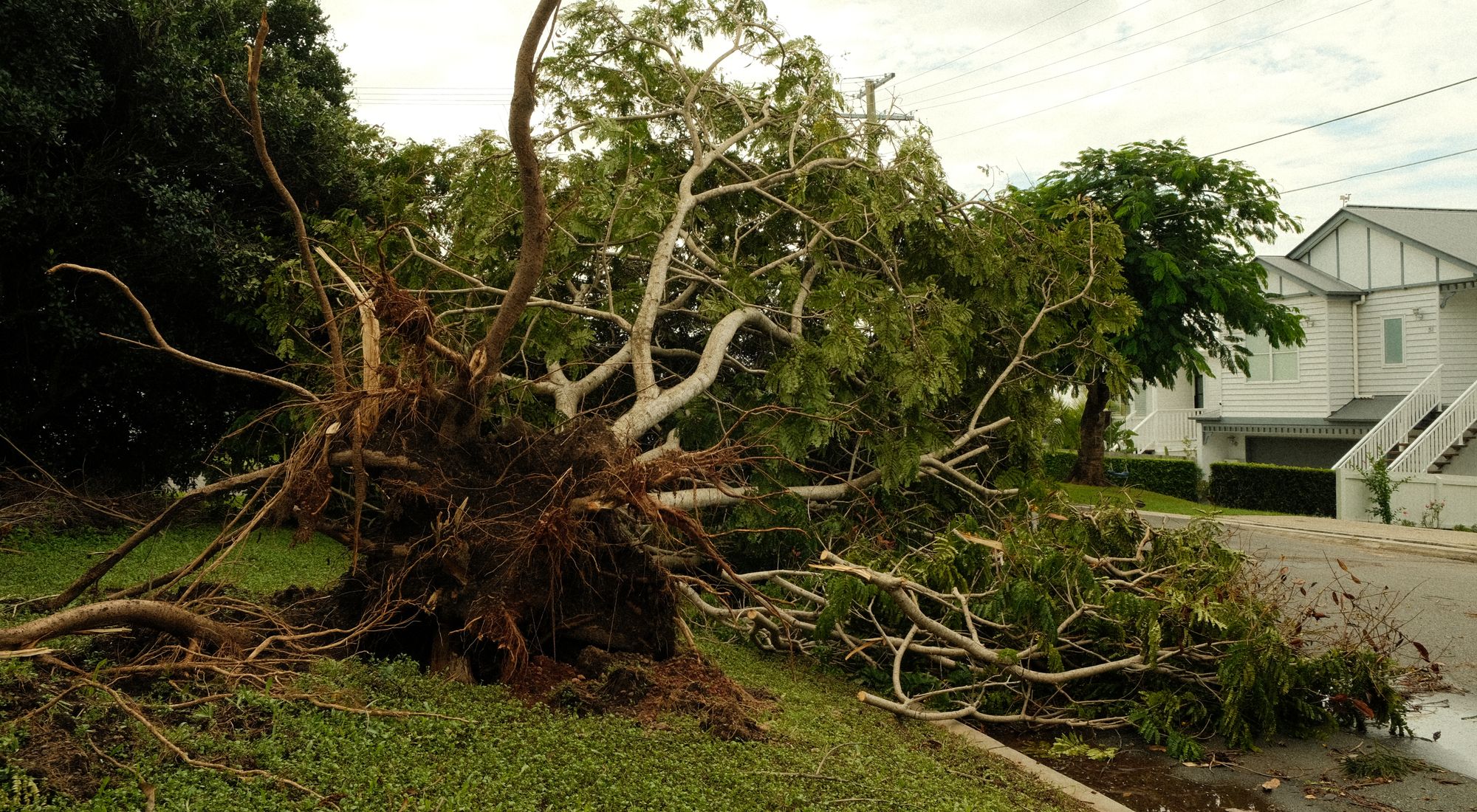
Fiona remains the costliest weather event recorded in Atlantic Canada, with insured damage above $800 million. Wind damage, fallen trees and debris removal are covered on a standard form. Wind-driven rain is covered where the storm first created an opening — not where it came through a tired roof. Check whether a separate wind or hail deductible applies.
Wildfire and evacuation
The 2023 Tantallon fire caused over $165 million in insured damage and destroyed or damaged more than 200 properties; Barrington Lake was the largest fire in the province’s recorded history. Fire is covered on every standard form — and additional living expenses begin the moment a mandatory evacuation order is issued, whether or not your home is touched. Keep receipts from day one.
Inland flooding
The July 2023 rainfall dropped more than 250 millimetres in under a day in the hardest-hit areas and caused over $170 million in insured damage, with the uninsured total far higher. Overland water is an endorsement, and availability narrows in the areas that need it most.
Ice damming and winter
Heat escaping into the attic melts snow that refreezes at the eave, backing meltwater under the shingles. Treatment varies by wording, and none of them cover a loss traced to blocked gutters or a neglected roof. Attic insulation and ventilation are the real fix.
Power outages and spoilage
Freezer and refrigerator contents may be covered after an outage, usually at a modest sub-limit and often only where the interruption traces back to insured damage. Loss of use with no physical damage is generally not a claim.
Condo and Tenant Coverage
Owning a unit or renting one is a different insurance problem from owning a house, and each has its own policy. Here is the short version — the detail lives on the pages themselves.

Own a condo unit?
The corporation insures the building and your unit as it was originally built. You insure your contents, every upgrade above that line, your liability to the neighbours below you, and the deductible the corporation can charge back to you — which is where most of the money is. We have set all of that out on our condo insurance page.
Renting rather than owning?
A landlord’s policy covers the building and nothing of yours. Tenants and renters insurance is a separate policy, an inexpensive one, and the only thing covering your belongings and your liability.
What Actually Drives Your Premium
Home insurance pricing is less mysterious than it looks. Six things move the number, and you control four of them.
Rebuild cost, not market value
Rating starts from what it would cost to reconstruct the house today — materials, labour, debris removal, code upgrades. Construction costs moved sharply after 2022, so a sum insured set before then is worth a second look.
Where the home sits
Rating territory, distance to a responding fire hall and to a hydrant or approved water source, and the property’s flood score. Rural and semi-protected addresses rate differently, and the water endorsements you can buy depend on the same data.
Claims history — yours and the address’s
Loss history attaches to the property as well as the person. A prior water loss at the address can affect eligibility for water endorsements regardless of who owned the home at the time.
The building itself
Wiring, panel, plumbing, roof age, heating type, oil tank. These drive eligibility before they drive price — often the question is which insurers will look at the risk at all.
What you have done to reduce the risk
Monitored alarms, a flow-based water shut-off device, a backwater valve, a sump pump with battery backup. Several markets credit these; some treat them as an eligibility condition. Claims-free and mortgage-free credits and bundling home with auto are the largest levers.
The deductible — deductibles, plural
A single policy now commonly carries several: the standard property deductible, a higher one for water, a percentage deductible for earthquake, and separate figures for glass, service line and overland water. At least one national insurer moved to a $2,500 minimum on water losses in 2024.
Group Home & Auto Programs
We are an independent brokerage — not owned by an insurer, with no house market to feed. It also means we can place you into a group program where one exists, and several Nova Scotia associations and employers have one you may already qualify for.
CANS Home & Auto Program
Preferred group pricing on home, condo, tenant and auto insurance for members of the Construction Association of Nova Scotia. See the CANS program.
CAPEI Home & Auto Program
The same group-rated approach for members of the Construction Association of Prince Edward Island. See the CAPEI program.
Municipal Home & Auto Program
Group home and auto pricing for municipal employees and members. See all group programs or ask us whether your employer or association already has one in place.
Frequently Asked Questions About Home Insurance
Is home insurance mandatory in Nova Scotia?
There is no law requiring it. In practice it is unavoidable: mortgage lenders require proof of coverage as a condition of financing and will place their own policy on the property, at your expense, if yours lapses. Even mortgage-free, going without means carrying the full rebuild cost and an unlimited liability exposure yourself.
How much home insurance do I need?
Enough to rebuild the house as it stands today, which is a different number from what you paid for it and different again from what it would sell for. The insurer produces a replacement cost estimate from the construction details; your job is to make sure those details are right and that renovations have been reported. On contents, most people are underinsured because they have never added up what a whole household actually costs to replace.
Does home insurance cover flooding?
Not on its own. Sudden water escape from indoor plumbing is included on a comprehensive form, but water arriving from outside needs endorsements — sewer backup for water coming back up through drains, and overland water for rain, spring melt and overflowing rivers and lakes. Coastal flooding and storm surge are generally excluded from both. Availability of overland water depends on the property’s flood score, and a small number of high-risk addresses still cannot buy it.
What is the difference between replacement cost and actual cash value?
Replacement cost pays to rebuild or replace with like kind and quality without deducting for depreciation. Actual cash value deducts it, so a fifteen-year-old roof or a ten-year-old sofa settles for a fraction of what it costs to replace. Replacement cost is conditional: on the building it generally requires you to rebuild on the same site, and on contents it usually requires you to actually replace the item within a set period.
Are jewellery, art and collectibles fully covered?
Only up to the policy’s special limits, which typically cap jewellery, watches, furs, fine art, collectibles and bicycles at a few thousand dollars each. In most Canadian wordings those caps apply to theft rather than to a fire. Anything worth more than the cap should be scheduled individually, usually with an appraisal — see our jewellery, art and collectible insurance page.
What does an insurer want to know about my oil tank?
Its age, whether it is indoor or outdoor, single or double wall, the material, the serial number, and usually photographs of the tank and the line entering the house. Age limits are set by each insurer rather than by the province, and outdoor steel tanks are given considerably less life than indoor or double-wall fibreglass ones. If you are buying a house with an older tank, confirm insurability before your financing condition comes off.
Can I insure a home with knob-and-tube wiring or a 60-amp service?
Options narrow sharply. Most standard markets decline active knob-and-tube outright and expect at least a 100-amp service. Some will consider a home where the old wiring is limited in extent and certified by a licensed electrician. It is a solvable problem, but it needs to be solved before closing rather than discovered afterwards.
Does my policy cover a home-based business or a short-term rental?
Not by default. Business property in the home is capped at a low sub-limit and business liability is excluded, so a home office, a trade run from the garage or an in-home clinic needs an endorsement or a commercial policy. Short-term rental use changes the occupancy and generally needs to be disclosed and endorsed — renting out a room or the whole house without telling your insurer risks the claim.
What happens if my home is empty for a while?
Coverage narrows once a home is vacant beyond roughly thirty consecutive days, and water damage typically falls away entirely. Extended travel, a property between owners and a house emptied for renovation all need to be disclosed — a vacancy permit or a renovation policy is usually the answer. Tell us before the work starts.
How can I reduce my home insurance premium without gutting the coverage?
Bundle home and auto, raise the standard deductible to a level you could comfortably absorb, install a monitored alarm and a flow-based water shut-off device, ask whether a group program applies to you, and stay claims-free by handling small losses yourself. What we would not do is cut the sum insured or drop water endorsements — that is not saving money, it is deferring a much larger bill.
How do I get a home insurance quote from Stanhope Simpson?
Call the office or send us the property details and your current policy. We market the risk across the insurers we hold contracts with, come back with the options side by side rather than a single quote, and tell you plainly where the differences in wording matter. If a group program applies to you, we will find it.
Related Personal Insurance Coverages
Most households need more than one of these, and bundling them with your home insurance is usually the largest discount available.
For everything else the household carries, and how the pieces are reviewed together, see personal insurance.
Schedule a Consultation Today
Personalized insurance and surety solutions backed by decades of industry expertise.
Reach out to us today and experience the Stanhope difference!